JavaScript is disabled in your browser. Please enable JavaScript to view this website.
AB131927

重组人 RNF8 蛋白 (GST tag N-Terminus)

Recombinant Human RNF8 protein (GST tag N-Terminus)

Be the first to review this product! Submit a review

|

(0 Publication)

Recombinant Human RNF8 protein (GST tag N-Terminus) is a Human Full Length protein, in the 1 to 485 aa range, expressed in Wheat germ, suitable for SDS-PAGE, ELISA, WB.

查看别名

KIAA0646, RNF8, E3 ubiquitin-protein ligase RNF8, hRNF8, RING finger protein 8, RING-type E3 ubiquitin transferase RNF8
1 Images
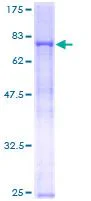
SDS-PAGE - Recombinant Human RNF8 protein (GST tag N-Terminus) (AB131927)
  • SDS-PAGE

Unknown

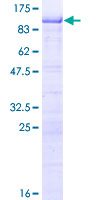
SDS-PAGE - Recombinant Human RNF8 protein (GST tag N-Terminus) (AB131927)

12.5% SDS-PAGE analysis of ab131927 stained with Coomassie Blue.

关键信息

表达系统

Wheat germ

标签

GST tag N-Terminus

应用

ELISA, WB, SDS-PAGE

applications

生物活性

No

访问

O76064

不含动物源

No

不含载体蛋白

No

种属

Human

存储溶液

pH: 8 Constituents: 0.79% Tris HCl, 0.31% Glutathione

storage-buffer

反应性数据

{ "title": "Reactivity Data", "filters": { "stats": ["", "Reactivity", "Dilution Info", "Notes"] }, "values": { "SDS-PAGE": { "reactivity":"TESTED_AND_REACTS", "dilution-info":"", "notes":"<p></p>" }, "ELISA": { "reactivity":"TESTED_AND_REACTS", "dilution-info":"", "notes":"<p></p>" }, "WB": { "reactivity":"TESTED_AND_REACTS", "dilution-info":"", "notes":"<p></p>" } } }

序列信息

[{"linker":null,"sequence":"MGEPGFFVTGDRAGGRSWCLRRVGMSAGWLLLEDGCEVTVGRGFGVTYQLVSKICPLMISRNHCVLKQNPEGQWTIMDNKSLNGVWLNRARLEPLRVYSIHQGDYIQLGVPLENKENAEYEYEVTEEDWETIYPCLSPKNDQMIEKNKELRTKRKFSLDELAGPGAEGPSNLKSKINKVSCESGQPVKSQGKGEVASTPSDNLDPKLTALEPSKTTGAPIYPGFPKVTEVHHEQKASNSSASQRSLQMFKVTMSRILRLKIQMQEKHEAVMNVKKQTQKGNSKKVVQMEQELQDLQSQLCAEQAQQQARVEQLEKTFQEEEQHLQGLEIAQGEKDLKQQLAQALQEHWALMEELNRSKKDFEAIIQAKNKELEQTKEEKEKMQAQKEEVLSHMNDVLENELQCIICSEYFIEAVTLNCAHSFCSYCINEWMKRKIECPICRKDIKSKTYSLVLDNCINKMVNNLSSEVKERRIVLIRERKAKRLF","proteinLength":"Full Length","predictedMolecularWeight":"79.09 kDa","actualMolecularWeight":null,"aminoAcidEnd":485,"aminoAcidStart":1,"nature":"Recombinant","expressionSystem":"Wheat germ","accessionNumber":"O76064","tags":[{"tag":"GST","terminus":"N-Terminus"}]}]

性能和储存信息

形式
Liquid
纯化工艺
Proprietary technique
运输条件
Dry Ice
推荐的短期储存条件
-80°C
推荐的长期储存条件
-80°C
分装信息
Upon delivery aliquot
储存信息
Avoid freeze / thaw cycle
False

常规信息

功能

E3 ubiquitin-protein ligase that plays a key role in DNA damage signaling via 2 distinct roles : by mediating the 'Lys-63'-linked ubiquitination of histones H2A and H2AX and promoting the recruitment of DNA repair proteins at double-strand breaks (DSBs) sites, and by catalyzing 'Lys-48'-linked ubiquitination to remove target proteins from DNA damage sites. Following DNA DSBs, it is recruited to the sites of damage by ATM-phosphorylated MDC1 and catalyzes the 'Lys-63'-linked ubiquitination of histones H2A and H2AX, thereby promoting the formation of TP53BP1 and BRCA1 ionizing radiation-induced foci (IRIF) (PubMed : 18001824, PubMed : 18006705). Also controls the recruitment of UIMC1-BRCC3 (RAP80-BRCC36) and PAXIP1/PTIP to DNA damage sites (PubMed : 18077395, PubMed : 19202061). Promotes the recruitment of NBN to DNA damage sites by catalyzing 'Lys-6'-linked ubiquitination of NBN (PubMed : 23115235). Also recruited at DNA interstrand cross-links (ICLs) sites and catalyzes 'Lys-63'-linked ubiquitination of histones H2A and H2AX, leading to recruitment of FAAP20/C1orf86 and Fanconi anemia (FA) complex, followed by interstrand cross-link repair. H2A ubiquitination also mediates the ATM-dependent transcriptional silencing at regions flanking DSBs in cis, a mechanism to avoid collision between transcription and repair intermediates. Promotes the formation of 'Lys-63'-linked polyubiquitin chains via interactions with the specific ubiquitin-conjugating UBE2N/UBC13 and ubiquitinates non-histone substrates such as PCNA. Substrates that are polyubiquitinated at 'Lys-63' are usually not targeted for degradation. Also catalyzes the formation of 'Lys-48'-linked polyubiquitin chains via interaction with the ubiquitin-conjugating UBE2L6/UBCH8, leading to degradation of substrate proteins such as CHEK2, JMJD2A/KDM4A and KU80/XRCC5 : it is still unclear how the preference toward 'Lys-48'- versus 'Lys-63'-linked ubiquitination is regulated but it could be due to RNF8 ability to interact with specific E2 specific ligases. For instance, interaction with phosphorylated HERC2 promotes the association between RNF8 and UBE2N/UBC13 and favors the specific formation of 'Lys-63'-linked ubiquitin chains. Promotes non-homologous end joining (NHEJ) by promoting the 'Lys-48'-linked ubiquitination and degradation the of KU80/XRCC5. Following DNA damage, mediates the ubiquitination and degradation of JMJD2A/KDM4A in collaboration with RNF168, leading to unmask H4K20me2 mark and promote the recruitment of TP53BP1 at DNA damage sites (PubMed : 11322894, PubMed : 14981089, PubMed : 17724460, PubMed : 18001825, PubMed : 18337245, PubMed : 18948756, PubMed : 19015238, PubMed : 19124460, PubMed : 19203578, PubMed : 19203579, PubMed : 20550933, PubMed : 21558560, PubMed : 21857671, PubMed : 21911360, PubMed : 22266820, PubMed : 22373579, PubMed : 22531782, PubMed : 22705371, PubMed : 22980979). Following DNA damage, mediates the ubiquitination and degradation of POLD4/p12, a subunit of DNA polymerase delta. In the absence of POLD4, DNA polymerase delta complex exhibits higher proofreading activity (PubMed : 23233665). In addition to its function in damage signaling, also plays a role in higher-order chromatin structure by mediating extensive chromatin decondensation. Involved in the activation of ATM by promoting histone H2B ubiquitination, which indirectly triggers histone H4 'Lys-16' acetylation (H4K16ac), establishing a chromatin environment that promotes efficient activation of ATM kinase. Required in the testis, where it plays a role in the replacement of histones during spermatogenesis. At uncapped telomeres, promotes the joining of deprotected chromosome ends by inducing H2A ubiquitination and TP53BP1 recruitment, suggesting that it may enhance cancer development by aggravating telomere-induced genome instability in case of telomeric crisis. Promotes the assembly of RAD51 at DNA DSBs in the absence of BRCA1 and TP53BP1 Also involved in class switch recombination in immune system, via its role in regulation of DSBs repair (PubMed : 22865450). May be required for proper exit from mitosis after spindle checkpoint activation and may regulate cytokinesis. May play a role in the regulation of RXRA-mediated transcriptional activity. Not involved in RXRA ubiquitination by UBE2E2 (PubMed : 11322894, PubMed : 14981089, PubMed : 17724460, PubMed : 18001825, PubMed : 18337245, PubMed : 18948756, PubMed : 19015238, PubMed : 19124460, PubMed : 19203578, PubMed : 19203579, PubMed : 20550933, PubMed : 21558560, PubMed : 21857671, PubMed : 21911360, PubMed : 22266820, PubMed : 22373579, PubMed : 22531782, PubMed : 22705371, PubMed : 22980979).

序列相似性

Belongs to the RNF8 family.

翻译后修饰

Autoubiquitinated through 'Lys-48' and 'Lys-63' of ubiquitin. 'Lys-63' polyubiquitination is mediated by UBE2N. 'Lys-29'-type polyubiquitination is also observed, but it doesn't require its own functional RING-type zinc finger.

产品实验方案

靶点信息

E3 ubiquitin-protein ligase that plays a key role in DNA damage signaling via 2 distinct roles : by mediating the 'Lys-63'-linked ubiquitination of histones H2A and H2AX and promoting the recruitment of DNA repair proteins at double-strand breaks (DSBs) sites, and by catalyzing 'Lys-48'-linked ubiquitination to remove target proteins from DNA damage sites. Following DNA DSBs, it is recruited to the sites of damage by ATM-phosphorylated MDC1 and catalyzes the 'Lys-63'-linked ubiquitination of histones H2A and H2AX, thereby promoting the formation of TP53BP1 and BRCA1 ionizing radiation-induced foci (IRIF) (PubMed : 18001824, PubMed : 18006705). Also controls the recruitment of UIMC1-BRCC3 (RAP80-BRCC36) and PAXIP1/PTIP to DNA damage sites (PubMed : 18077395, PubMed : 19202061). Promotes the recruitment of NBN to DNA damage sites by catalyzing 'Lys-6'-linked ubiquitination of NBN (PubMed : 23115235). Also recruited at DNA interstrand cross-links (ICLs) sites and catalyzes 'Lys-63'-linked ubiquitination of histones H2A and H2AX, leading to recruitment of FAAP20/C1orf86 and Fanconi anemia (FA) complex, followed by interstrand cross-link repair. H2A ubiquitination also mediates the ATM-dependent transcriptional silencing at regions flanking DSBs in cis, a mechanism to avoid collision between transcription and repair intermediates. Promotes the formation of 'Lys-63'-linked polyubiquitin chains via interactions with the specific ubiquitin-conjugating UBE2N/UBC13 and ubiquitinates non-histone substrates such as PCNA. Substrates that are polyubiquitinated at 'Lys-63' are usually not targeted for degradation. Also catalyzes the formation of 'Lys-48'-linked polyubiquitin chains via interaction with the ubiquitin-conjugating UBE2L6/UBCH8, leading to degradation of substrate proteins such as CHEK2, JMJD2A/KDM4A and KU80/XRCC5 : it is still unclear how the preference toward 'Lys-48'- versus 'Lys-63'-linked ubiquitination is regulated but it could be due to RNF8 ability to interact with specific E2 specific ligases. For instance, interaction with phosphorylated HERC2 promotes the association between RNF8 and UBE2N/UBC13 and favors the specific formation of 'Lys-63'-linked ubiquitin chains. Promotes non-homologous end joining (NHEJ) by promoting the 'Lys-48'-linked ubiquitination and degradation the of KU80/XRCC5. Following DNA damage, mediates the ubiquitination and degradation of JMJD2A/KDM4A in collaboration with RNF168, leading to unmask H4K20me2 mark and promote the recruitment of TP53BP1 at DNA damage sites (PubMed : 11322894, PubMed : 14981089, PubMed : 17724460, PubMed : 18001825, PubMed : 18337245, PubMed : 18948756, PubMed : 19015238, PubMed : 19124460, PubMed : 19203578, PubMed : 19203579, PubMed : 20550933, PubMed : 21558560, PubMed : 21857671, PubMed : 21911360, PubMed : 22266820, PubMed : 22373579, PubMed : 22531782, PubMed : 22705371, PubMed : 22980979). Following DNA damage, mediates the ubiquitination and degradation of POLD4/p12, a subunit of DNA polymerase delta. In the absence of POLD4, DNA polymerase delta complex exhibits higher proofreading activity (PubMed : 23233665). In addition to its function in damage signaling, also plays a role in higher-order chromatin structure by mediating extensive chromatin decondensation. Involved in the activation of ATM by promoting histone H2B ubiquitination, which indirectly triggers histone H4 'Lys-16' acetylation (H4K16ac), establishing a chromatin environment that promotes efficient activation of ATM kinase. Required in the testis, where it plays a role in the replacement of histones during spermatogenesis. At uncapped telomeres, promotes the joining of deprotected chromosome ends by inducing H2A ubiquitination and TP53BP1 recruitment, suggesting that it may enhance cancer development by aggravating telomere-induced genome instability in case of telomeric crisis. Promotes the assembly of RAD51 at DNA DSBs in the absence of BRCA1 and TP53BP1 Also involved in class switch recombination in immune system, via its role in regulation of DSBs repair (PubMed : 22865450). May be required for proper exit from mitosis after spindle checkpoint activation and may regulate cytokinesis. May play a role in the regulation of RXRA-mediated transcriptional activity. Not involved in RXRA ubiquitination by UBE2E2 (PubMed : 11322894, PubMed : 14981089, PubMed : 17724460, PubMed : 18001825, PubMed : 18337245, PubMed : 18948756, PubMed : 19015238, PubMed : 19124460, PubMed : 19203578, PubMed : 19203579, PubMed : 20550933, PubMed : 21558560, PubMed : 21857671, PubMed : 21911360, PubMed : 22266820, PubMed : 22373579, PubMed : 22531782, PubMed : 22705371, PubMed : 22980979).
See full target information RNF8

Abcam Product Promise

我们致力于为您的研究提供高质量的试剂,为您科研的每一步提供支持。若我们的产品未能达到预期性能,我们向您提供 Abcam Product Promise 保障。
详情请参阅我们的条款与条件。

Please note: All products are 'FOR RESEARCH USE ONLY. NOT FOR USE IN DIAGNOSTIC OR THERAPEUTIC PROCEDURES'.

For licensing inquiries, please contact partnerships@abcam.com