重组人PCK1/PEPC蛋白(Active)
Recombinant human PCK1/PEPC protein (Active)
Be the first to review this product! Submit a review
|
(0 Publication)
Recombinant human PCK1/PEPC protein (Active) is a Human Full Length protein, in the 2 to 622 aa range, expressed in Escherichia coli, with >95%, suitable for SDS-PAGE, FuncS.
查看别名
PEPCK1, PCK1, PEPCK-C, Serine-protein kinase PCK1

- FuncS
Supplier Data
Functional Studies - Recombinant human PCK1/PEPC protein (Active) (AB229508)
Activity of ab229508 was measured by a multi-steps assay. In this assay, PCK1/PEPC converts phosphoenolpyruvate into oxalacetate, then coupling with series of enzymatic reactions to generate pyruvate, which in turn reacts with a probe and developer to generate color (OD570 nm). Legend on the right indicated the amount of ab229508.

- SDS-PAGE
Supplier Data
SDS-PAGE - Recombinant human PCK1/PEPC protein (Active) (AB229508)
4-20% SDS-PAGE analysis of ab229508 under reducing conditions and stained with Coomassie Blue.
Lane 1 : 0.5 μg; Lane 2 : 1 μg; Lane 3 : 1.5 μg.
搭配使用产品
Reagents, Controls & Accessories
AB313996
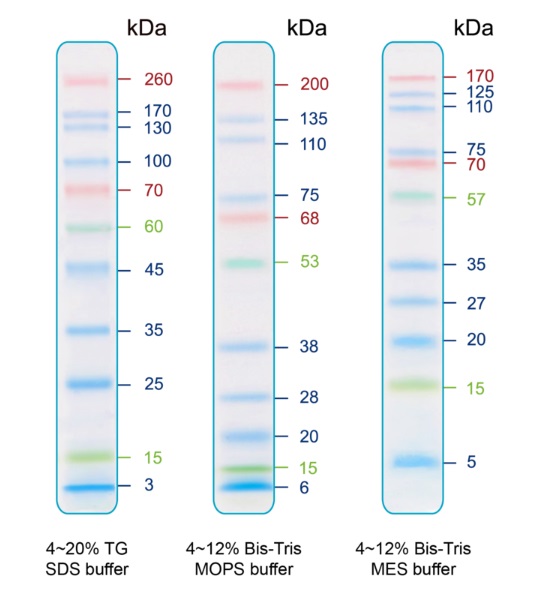
Prestained Protein Ladder - Extra broad molecular weight (3 - 260 kDa)
- 0
- 0


Primary Antibodies
AB133603
Anti-PCK1/PEPC antibody [EPR6938]
20ul selling size|KO Validated|RabMAb|Recombinant

- 0
- 0
反应性数据
产品详情
序列信息
性能和储存信息
形式
运输条件
推荐的短期储存条件
推荐的长期储存条件
分装信息
储存信息
补充信息
This supplementary information is collated from multiple sources and compiled automatically.
Biological function summary
PCK1 is essential for maintaining glucose homeostasis in the body. Although not part of a larger protein complex its function directly impacts the tricarboxylic acid (TCA) cycle by providing substrates for glucose synthesis. By orchestrating the conversion of oxaloacetate to PEP PCK1 contributes significantly to reducing dependency on dietary carbohydrates particularly during fasting or intensive physical activity.
Pathways
PCK1 integrates critical metabolic processes. It mainly influences the gluconeogenesis and glycolysis pathways. In the gluconeogenesis pathway PCK1 coordinates with enzymes such as glucose-6-phosphatase to facilitate the generation of glucose from lactate and amino acids. Additionally its role in glycolysis intersects with enzymes like pyruvate kinase managing energy production and consumption.
常规信息
功能
Cytosolic phosphoenolpyruvate carboxykinase that catalyzes the reversible decarboxylation and phosphorylation of oxaloacetate (OAA) and acts as the rate-limiting enzyme in gluconeogenesis (PubMed : 24863970, PubMed : 26971250, PubMed : 28216384, PubMed : 30193097). Regulates cataplerosis and anaplerosis, the processes that control the levels of metabolic intermediates in the citric acid cycle (PubMed : 24863970, PubMed : 26971250, PubMed : 28216384, PubMed : 30193097). At low glucose levels, it catalyzes the cataplerotic conversion of oxaloacetate to phosphoenolpyruvate (PEP), the rate-limiting step in the metabolic pathway that produces glucose from lactate and other precursors derived from the citric acid cycle (PubMed : 30193097). At high glucose levels, it catalyzes the anaplerotic conversion of phosphoenolpyruvate to oxaloacetate (PubMed : 30193097). Acts as a regulator of formation and maintenance of memory CD8(+) T-cells : up-regulated in these cells, where it generates phosphoenolpyruvate, via gluconeogenesis (By similarity). The resultant phosphoenolpyruvate flows to glycogen and pentose phosphate pathway, which is essential for memory CD8(+) T-cells homeostasis (By similarity). In addition to the phosphoenolpyruvate carboxykinase activity, also acts as a protein kinase when phosphorylated at Ser-90 : phosphorylation at Ser-90 by AKT1 reduces the binding affinity to oxaloacetate and promotes an atypical serine protein kinase activity using GTP as donor (PubMed : 32322062). The protein kinase activity regulates lipogenesis : upon phosphorylation at Ser-90, translocates to the endoplasmic reticulum and catalyzes phosphorylation of INSIG proteins (INSIG1 and INSIG2), thereby disrupting the interaction between INSIG proteins and SCAP and promoting nuclear translocation of SREBP proteins (SREBF1/SREBP1 or SREBF2/SREBP2) and subsequent transcription of downstream lipogenesis-related genes (PubMed : 32322062).
序列相似性
Belongs to the phosphoenolpyruvate carboxykinase [GTP] family.
翻译后修饰
Acetylated. Lysine acetylation by p300/EP300 is increased on high glucose conditions (PubMed:20167786, PubMed:21726808, PubMed:30193097). Lysine acetylation promotes ubiquitination by UBR5 (PubMed:21726808). Acetylation is enhanced in the presence of BAG6. Deacetylated by SIRT2. Deacetylation of Lys-91 is carried out by SIRT1 and depends on PCK1 phosphorylation levels (PubMed:30193097).. Phosphorylated in a GSK3B-mediated pathway; phosphorylation affects the efficiency of SIRT1-mediated deacetylation, and regulates PCK1 ubiquitination and degradation (PubMed:30193097). Phosphorylation at Ser-90 by AKT1 reduces the binding affinity to oxaloacetate and promotes the protein kinase activity: phosphorylated PCK1 translocates to the endoplasmic reticulum, where it phosphorylates INSIG1 and INSIG2 (PubMed:32322062).. Ubiquitination by UBR5 leads to proteasomal degradation.
靶点信息
Abcam Product Promise
Please note: All products are 'FOR RESEARCH USE ONLY. NOT FOR USE IN DIAGNOSTIC OR THERAPEUTIC PROCEDURES'.
For licensing inquiries, please contact partnerships@abcam.com