重组人 NPL 蛋白 (His tag N-Terminus)
Recombinant Human NPL protein (His tag N-Terminus)
Be the first to review this product! Submit a review
|
(0 Publication)
Recombinant Human NPL protein (His tag N-Terminus) is a Human Full Length protein, in the 1 to 320 aa range, expressed in Escherichia coli, with >95%, suitable for SDS-PAGE, Mass Spec.
查看别名
C1orf13, NPL, N-acetylneuraminate lyase, NALase, N-acetylneuraminate pyruvate-lyase, N-acetylneuraminic acid aldolase, Sialate lyase, Sialate-pyruvate lyase, Sialic acid aldolase, Sialic acid lyase
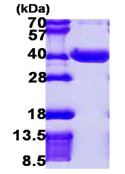
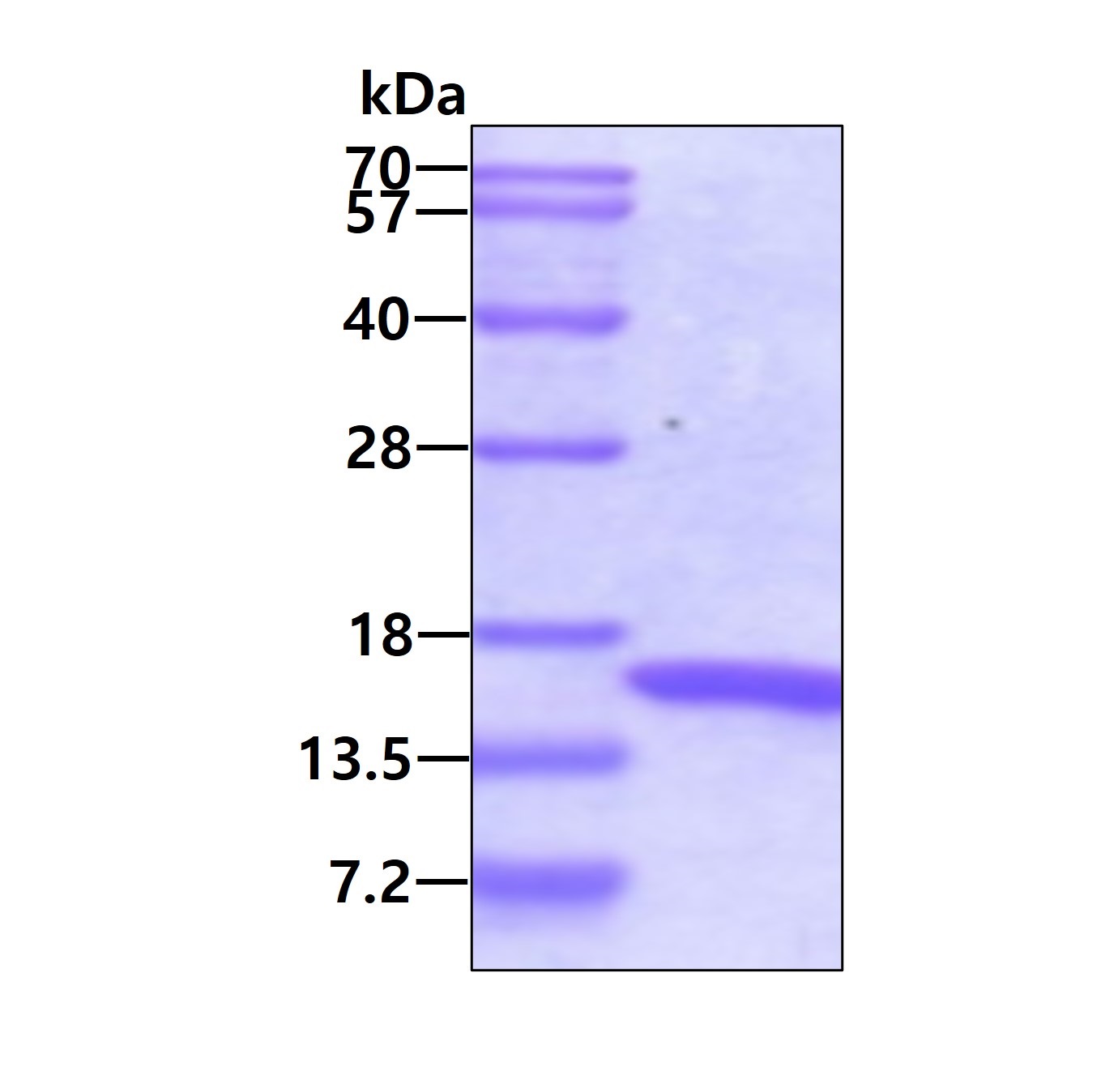
- SDS-PAGE
Unknown
SDS-PAGE - Recombinant Human NPL protein (His tag N-Terminus) (AB106873)
15% SDS-PAGE analysis of 3μg ab106873.
搭配使用产品
Reagents, Controls & Accessories
AB313996
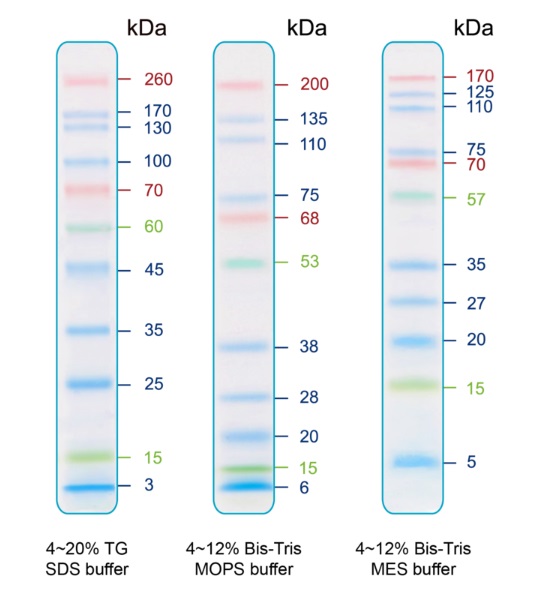
Prestained Protein Ladder - Extra broad molecular weight (3 - 260 kDa)
- 0
- 0

Primary Antibodies
AB195020
Alexa Fluor® 647 Anti-Glucose Transporter GLUT1 antibody [EPR3915]
RabMAb|Recombinant|KO Validated|Trial Size

- 4
- 5

反应性数据
序列信息
性能和储存信息
形式
运输条件
推荐的短期储存条件
推荐的长期储存条件
分装信息
储存信息
补充信息
This supplementary information is collated from multiple sources and compiled automatically.
Biological function summary
N-acetylneuraminate pyruvate lyase influences the recycling and regulation of sialic acids which are vital components of cell surface molecules involved in cellular recognition and signaling. This protein acts as part of a larger metabolic network involving sialic acid biosynthesis and degradation. It supports cellular functions by recycling sialic acid which gets added to glycoproteins and glycolipids contributing to cell surface architecture and function.
Pathways
The sialic acid metabolism involving the NPL protein connects to the broader glycosylation pathways impacting cell-cell communication and pathogen recognition. The NPL protein interacts with enzymes like sialyltransferases which transfer sialic acids to glycan chains and it maintains the rate of Neu5Ac production and consumption. It also relates to neuraminidases which cleave sialic acids from glycoconjugates ensuring dynamic metabolic fluxes in cells.
常规信息
功能
Catalyzes the cleavage of N-acetylneuraminic acid (sialic acid) to form pyruvate and N-acetylmannosamine via a Schiff base intermediate (PubMed : 33895133). It prevents sialic acids from being recycled and returning to the cell surface (PubMed : 33895133). Involved in the N-glycolylneuraminic acid (Neu5Gc) degradation pathway (PubMed : 22692205, PubMed : 33895133). Although human is not able to catalyze formation of Neu5Gc due to the inactive CMAHP enzyme, Neu5Gc is present in food and must be degraded (Probable).
序列相似性
Belongs to the DapA family. NanA subfamily.
靶点信息
Abcam Product Promise
Please note: All products are 'FOR RESEARCH USE ONLY. NOT FOR USE IN DIAGNOSTIC OR THERAPEUTIC PROCEDURES'.
For licensing inquiries, please contact partnerships@abcam.com