Anti-VEGF Receptor 2 抗体
Anti-VEGF Receptor 2 antibody
4
(17 Reviews)
|
(158 Publications)
Anti-VEGF Receptor 2 antibody (ab2349) is a rabbit polyclonal antibody detecting VEGF Receptor 2 in IHC-P. Suitable for Human.
- Over 140 publications
- Trusted since 2002
查看别名
CD309, FLK1, VEGFR2, KDR, Vascular endothelial growth factor receptor 2, VEGFR-2, Fetal liver kinase 1, Kinase insert domain receptor, Protein-tyrosine kinase receptor flk-1, FLK-1
- IHC-P
Supplier Data
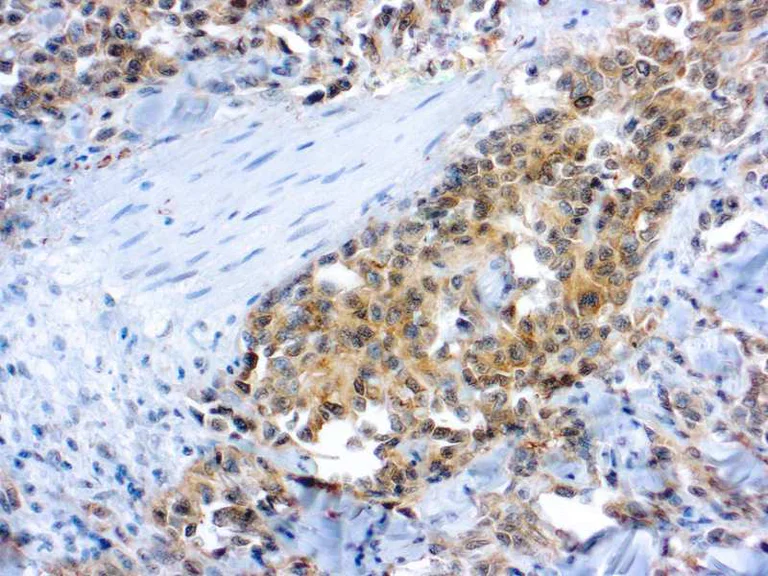
Immunohistochemistry (Formalin/PFA-fixed paraffin-embedded sections) - Anti-VEGF Receptor 2 antibody (AB2349)
Formalin fixed, paraffin-embedded human angiosarcoma tissue stained for VEGF Receptor 2 using ab2349 at 1/50 dilution in immunohistochemical analysis.
- IHC-P
PubMed
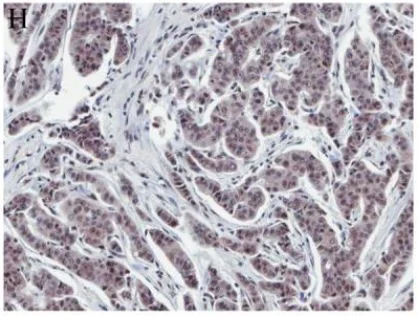
Immunohistochemistry (Formalin/PFA-fixed paraffin-embedded sections) - Anti-VEGF Receptor 2 antibody (AB2349)
Immunohistochemistry (Formalin/PFA-fixed paraffin-embedded sections) analysis of human normal breast tissue labeling VEGF Receptor 2 with ab2349 at 1/200 dilution. Sections were lightly counterstained with hematoxylin.
Image from Arias-Pulido, Hugo et al., BMC Cancer 12 (2012): 298. PMC. Web. 25 Jan. 2017. doi: 10.1186/1471-2407-12-298. Fig 1H. Reproduced under the Creative Commons license http://creativecommons.org/licenses/by/2.0
- IHC-P
PubMed
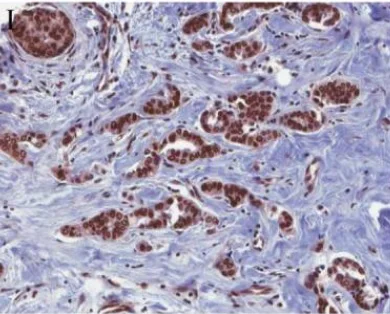
Immunohistochemistry (Formalin/PFA-fixed paraffin-embedded sections) - Anti-VEGF Receptor 2 antibody (AB2349)
Immunohistochemistry (Formalin/PFA-fixed paraffin-embedded sections) analysis of human normal breast tissue labeling VEGF Receptor 2 with ab2349 at 1/200 dilution. Sections were lightly counterstained with hematoxylin.
Image from Arias-Pulido, Hugo et al., BMC Cancer 12 (2012): 298. PMC. Web. 25 Jan. 2017. doi: 10.1186/1471-2407-12-298. Fig 1I. Reproduced under the Creative Commons license http://creativecommons.org/licenses/by/2.0/.
替代产品
Primary Antibodies
AB134191
Anti-VEGF Receptor 2 antibody [EPRER16Y]
20ul selling size|RabMAb|Recombinant

- 0
- 0
Primary Antibodies
AB237634
Anti-VEGF Receptor 2 antibody [EPR21233]
20ul selling size|Recombinant
- 0
- 0
Primary Antibodies
AB234106
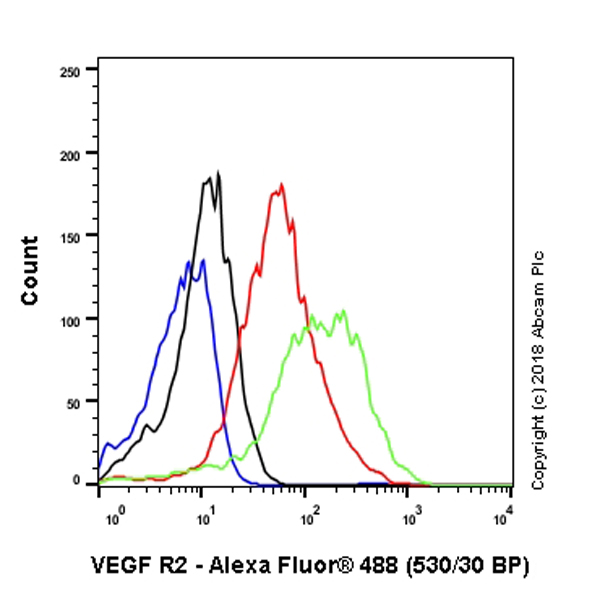
Anti-VEGF Receptor 2 antibody [EPR21884-236] - BSA and Azide free
RabMAb|Recombinant
- 0
- 0
Primary Antibodies
AB233693
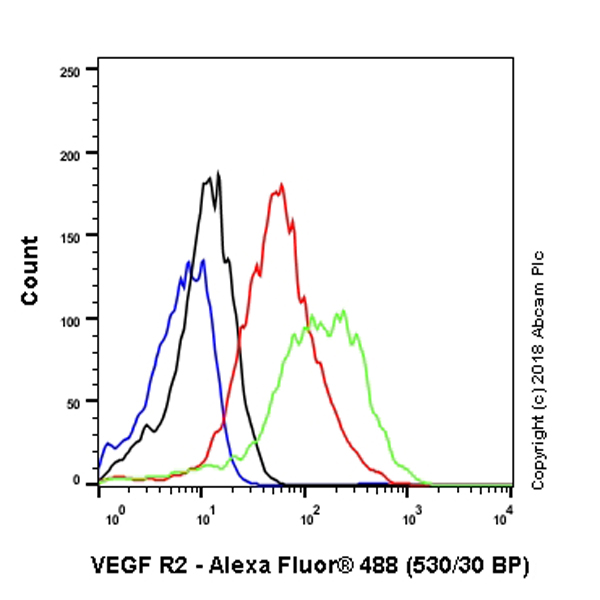
Anti-VEGF Receptor 2 antibody [EPR21884-236]
20ul selling size|RabMAb|Recombinant
- 0
- 0
Primary Antibodies
AB221679
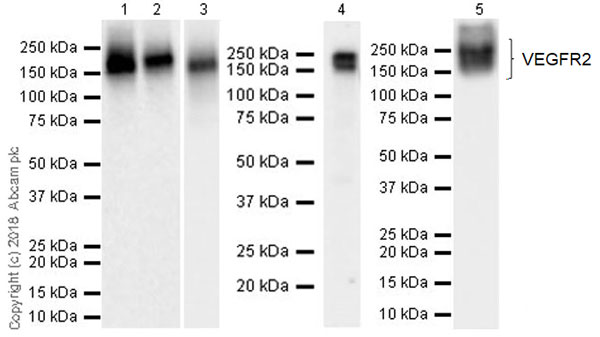
Anti-VEGF Receptor 2 antibody [EPR21884-290]
20ul selling size|RabMAb|Recombinant
- 0
- 0
Primary Antibodies
AB234110
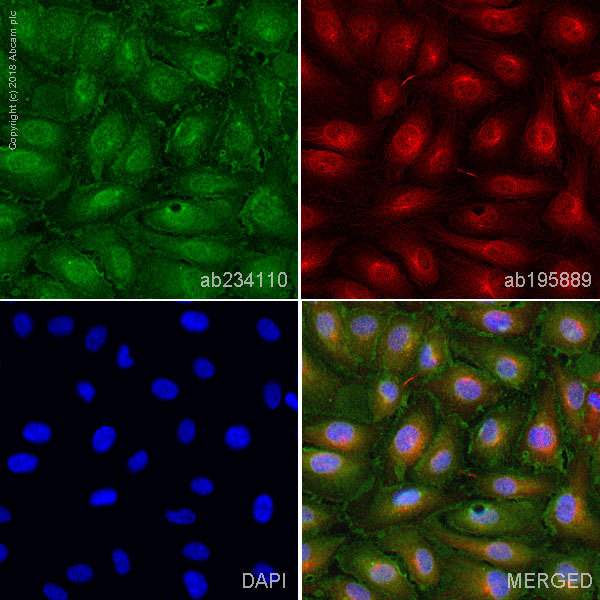
Anti-VEGF Receptor 2 antibody [EPR21231]
20ul selling size|Recombinant
- 3
- 1
Primary Antibodies
AB226160
Anti-VEGF Receptor 2 antibody [EPRER16Y] - BSA and Azide free
RabMAb|Recombinant

- 0
- 0
搭配使用产品
Primary Antibodies
AB32152
Anti-VEGF Receptor 1 antibody [Y103]
RabMAb|Recombinant|20ul selling size

- 5
- 21
Primary Antibodies
AB281583
BOND RX™ Validated|RabMAb|Recombinant|Lab Essentials|20ul selling size
- 5
- 5
Primary Antibodies
AB81289
BOND RX™ Validated|RabMAb|Recombinant|20ul selling size
- 4
- 56
Primary Antibodies
AB52917
Anti-VEGFA antibody [EP1176Y] - C-terminal
RabMAb|Recombinant|Lab Essentials|20ul selling size

- 5
- 9
反应性数据
产品详情
Anti-VEGF Receptor 2 antibody (ab2349) is a rabbit polyclonal antibody and is validated for use in Immunohistochemistry (IHC-P) in Human samples.
Trusted by the scientific community
Anti-VEGF Receptor 2 (ab2349) was first used in a scientific publication in 2002 and has been cited over 140 times in peer-reviewed journals.
Reviewed by scientists
Anti-VEGF Receptor 2 (ab2349) has over 15 independent reviews from customers.
性能和储存信息
形式
纯化工艺
存储溶液
运输条件
推荐的短期储存时间
推荐的短期储存条件
推荐的长期储存条件
储存信息
补充信息
This supplementary information is collated from multiple sources and compiled automatically.
Biological function summary
VEGF Receptor 2 is important for angiogenesis and vascular permeability. It is part of the VEGF receptor family which also includes VEGF Receptors 1 and 3 forming a complex interaction network. Upon binding with VEGF it phosphorylates key proteins to initiate signals that regulate endothelial cell migration proliferation and survival. The receptor's function is critical for normal developmental processes and wound healing as well.
Pathways
VEGF Receptor 2 is especially important within the angiogenesis and vascular permeability pathways. It plays a central role in the VEGF signaling pathway alongside proteins like VEGF A which is the primary ligand for the receptor. The signaling through this receptor modulates various downstream proteins through phosphorylation linking it to pathways that control cellular responses essential for blood vessel formation and maintenance.
产品实验方案
- Visit the General protocols
- Visit the Troubleshooting
靶点信息
文献 (158)
Recent publications for all applications. Explore the full list and refine your search
Journal of cellular and molecular medicine 29:e70682 PubMed40638555
2025
Applications
Unspecified application
Species
Unspecified reactive species
iScience 28:112473 PubMed40469100
2025
Applications
Unspecified application
Species
Unspecified reactive species
Bone reports 24:101824 PubMed39896107
2025
Applications
Unspecified application
Species
Unspecified reactive species
Materials today. Bio 28:101222 PubMed39296357
2024
Applications
Unspecified application
Species
Unspecified reactive species
Angiogenesis 27:719-738 PubMed38965173
2024
Applications
Unspecified application
Species
Unspecified reactive species
Veterinary sciences 11: PubMed38668414
2024
Applications
Unspecified application
Species
Unspecified reactive species
Advanced science (Weinheim, Baden-Wurttemberg, Germany) 11:e2308701 PubMed38460168
2024
Applications
Unspecified application
Species
Unspecified reactive species
Molecular medicine (Cambridge, Mass.) 29:155 PubMed37940881
2023
Applications
Unspecified application
Species
Unspecified reactive species
Nanoscale 15:17173-17183 PubMed37853851
2023
Applications
Unspecified application
Species
Unspecified reactive species
Nature communications 14:4893 PubMed37580352
2023
Applications
Unspecified application
Species
Unspecified reactive species
Abcam Product Promise
Please note: All products are 'FOR RESEARCH USE ONLY. NOT FOR USE IN DIAGNOSTIC OR THERAPEUTIC PROCEDURES'.
For licensing inquiries, please contact partnerships@abcam.com