重组Anti-Sorbitol Dehydrogenase抗体[EPR20780-169] - BSA and Azide free (Detector)
Anti-Sorbitol Dehydrogenase antibody [EPR20780-169] - BSA and Azide free (Detector)
- RabMAb
- Recombinant
- 了解详情
Be the first to review this product! Submit a review
|
(0 Publication)
Rabbit Recombinant Monoclonal Sorbitol Dehydrogenase antibody. Carrier free. Suitable for sELISA and reacts with Human samples.
查看别名
Sorbitol dehydrogenase, SDH, L-iditol 2-dehydrogenase, Polyol dehydrogenase, Ribitol dehydrogenase, Xylitol dehydrogenase, RDH, XDH, SORD

- sELISA
Unknown
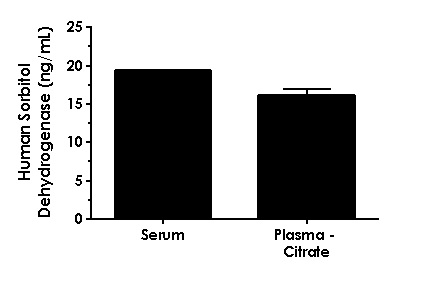
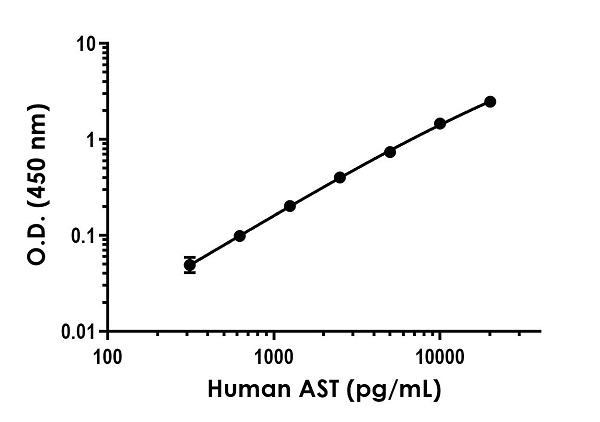
Sandwich ELISA - Anti-Sorbitol Dehydrogenase antibody [EPR20780-169] - BSA and Azide free (Detector) (AB244999)
Representative standard curve from corresponding SimpleStep ELISA® Kit (ab233613).
搭配使用产品
Sample Prep & Detection Kits
AB270705
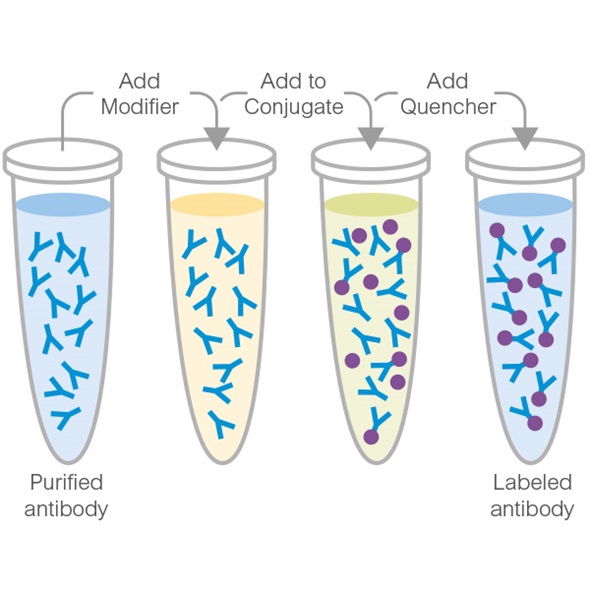
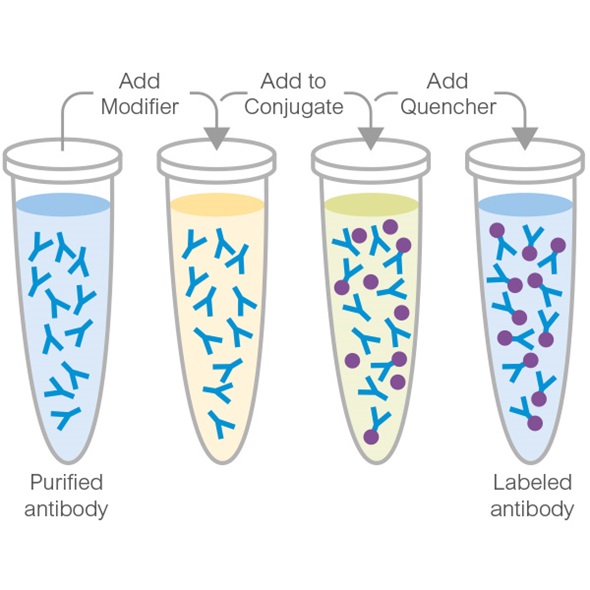
5’ Feature Barcode Antibody Conjugation Kit - Lightning-Link® - Oligos 11-20
- 0
- 0
Primary Antibodies
AB290676
Anti-APLP1 antibody [EPR25737-6] - BSA and Azide free (Capture)
RabMAb|Recombinant

- 0
- 0
Primary Antibodies
AB259692
Anti-Aspartate Aminotransferase antibody [EPR20781-282] - BSA and Azide free (Detector)
RabMAb|Recombinant
- 0
- 0
Primary Antibodies
AB242996
Anti-Agrin antibody [EPR20025-97] - BSA and Azide free (Detector)
RabMAb|Recombinant
- 0
- 0
Primary Antibodies
AB315916
Anti-Quiescin Q6 antibody [EPR25653-66] - BSA and Azide free (Detector)
RabMAb|Recombinant
- 0
- 0
反应性数据
产品详情
ab244999 is a BSA and Azide Free antibody supplied in an unconjugated format and it is suitable for sandwich ELISAs to quantify Human Sorbitol Dehydrogenase. The recommended pair for sandwich ELISA is:
Capture: ab244731, Human Sorbitol Dehydrogenase Capture Antibody (unconjugated)
Detector: ab244999, Human Sorbitol Dehydrogenase Detector Antibody (unconjugated)
The reference range value is 0.39 - 25 ng/ml.
Patented technology
Our RabMAb® technology is a patented hybridoma-based technology for making rabbit monoclonal antibodies. For details on our patents, please refer to RabMAb® patents.
What are the advantages of a recombinant monoclonal antibody?
This product is a recombinant monoclonal antibody, which offers several advantages including:
- - High batch-to-batch consistency and reproducibility
- - Improved sensitivity and specificity
- - Long-term security of supply
- - Animal-free batch production
For more information, read more on recombinant antibodies.
Conjugation ready
Our carrier-free antibodies are typically supplied in a PBS-only formulation, purified and free of BSA, sodium azide and glycerol. This conjugation-ready format is designed for use with fluorochromes, metal isotopes, oligonucleotides, and enzymes, which makes them ideal for antibody labelling, functional and cell-based assays, flow-based assays (e.g. mass cytometry) and Multiplex Imaging applications.
Use our conjugation kits for antibody conjugates that are ready-to-use in as little as 20 minutes with 1 minute hands-on-time and 100% antibody recovery: available for fluorescent dyes, HRP, biotin and gold.
Sandwich ELISA
The recommended antibody orientation is based on internal optimization for ELISA-based assays. Antibody orientation is assay dependent and needs to be optimized for each assay type. Please note that the range provided for this antibody is only an estimation based on the performance of the product using the recommended antibody pair. Performance of the antibody pair will depend on the specific characteristics of your assay. We guarantee the product works in sandwich ELISA, but we do not guarantee the sensitivity or dynamic range of the antibody in your assay.
性能和储存信息
形式
纯化工艺
存储溶液
运输条件
推荐的短期储存条件
推荐的长期储存条件
补充信息
This supplementary information is collated from multiple sources and compiled automatically.
Biological function summary
SDH plays a part in the polyol pathway which is important for the metabolism of glucose into fructose. It functions alongside aldose reductase to regulate the conversion of glucose into sorbitol and then sorbitol into fructose. SDH acts independently without forming a complex with other proteins. The amount and activity of SDH can affect cellular osmotic balance and energy storage.
Pathways
SDH is involved in the polyol pathway and influences sorbitol levels. An excess of sorbitol can contribute to cellular damage especially in the context of diabetes. SDH’s role is linked to the exclusive conversion of sorbitol to fructose contrasting with aldose reductase which initiates sorbitol production from glucose. Both enzymes are key in maintaining the balance between extracellular and intracellular glucose.
产品实验方案
- Visit the General protocols
- Visit the Troubleshooting
靶点信息
Abcam Product Promise
Please note: All products are 'FOR RESEARCH USE ONLY. NOT FOR USE IN DIAGNOSTIC OR THERAPEUTIC PROCEDURES'.
For licensing inquiries, please contact partnerships@abcam.com