Alexa Fluor® 555 Anti-E Cadherin 抗体 [EP700Y] - Intercellular Junction Marker
Alexa Fluor® 555 Anti-E Cadherin antibody [EP700Y] - Intercellular Junction Marker
- BOND RX™ Validated
- RabMAb
- Recombinant
- 了解详情
Be the first to review this product! Submit a review
|
(2 Publications)
Rabbit Recombinant Monoclonal E Cadherin antibody - conjugated to Alexa Fluor® 555. Intercellular Junction marker. Suitable for IHC-P, ICC/IF, Flow Cyt, Flow Cyt (Intra) and reacts with Human samples. Cited in 2 publications.
查看别名
CD324, CDHE, UVO, CDH1, Cadherin-1, CAM 120/80, Epithelial cadherin, Uvomorulin, E-cadherin
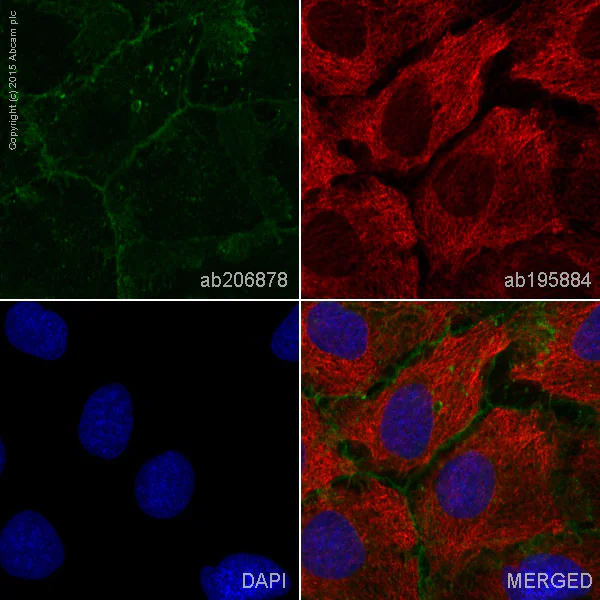
- ICC/IF
Lab
Immunocytochemistry/ Immunofluorescence - Alexa Fluor® 555 Anti-E Cadherin antibody [EP700Y] - Intercellular Junction Marker (AB206878)
ab206878 staining E Cadherin in CaCo2 cells. The cells were fixed with 100% methanol (5min), permeabilized with 0.1% Triton X-100 for 5 minutes and then blocked with 1% BSA/10% normal goat serum/0.3M glycine in 0.1% PBS-Tween for 1h. The cells were then incubated overnight at +4°C with ab206878 at 1/100 dilution (pseudocolored in green) and ab195884, Rat monoclonal to Tubulin (Alexa Fluor® 647), at 1/250 dilution (shown in red). Nuclear DNA was labelled with DAPI (shown in blue).
Image was taken with a confocal microscope (Leica-Microsystems, TCS SP8).
This product also gave a positive signal under the same testing conditions in CaCo2 cells fixed with 4% formaldehyde (10 min).
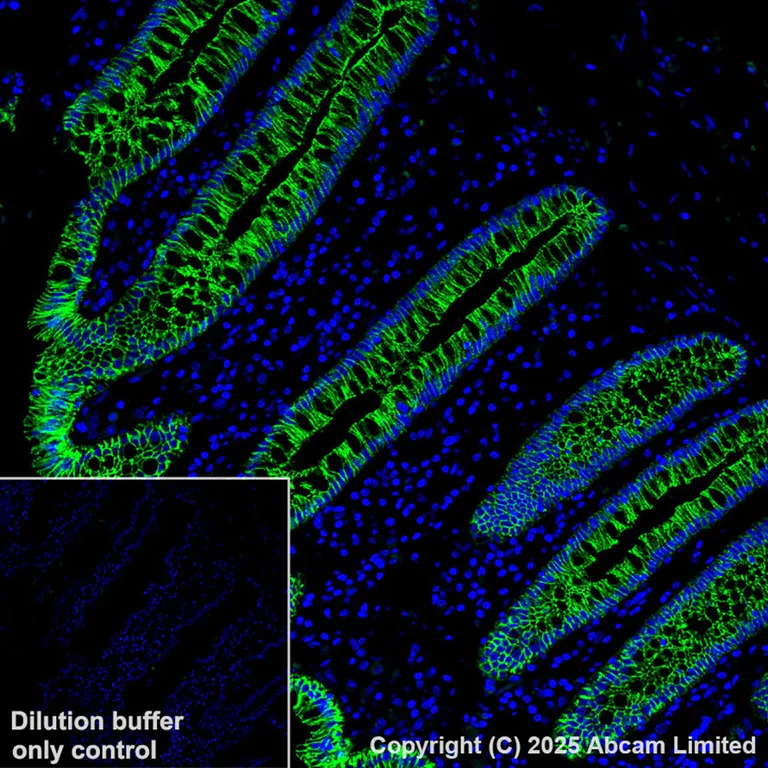
- IHC-P
Lab
Immunohistochemistry (Formalin/PFA-fixed paraffin-embedded sections) - Alexa Fluor® 555 Anti-E Cadherin antibody [EP700Y] - Intercellular Junction Marker (AB206878)
Immunohistochemical analysis of paraffin-embedded human colon tissue labeling E Cadherin with ab206878 at 1/100 dilution.
Positive staining on human colon.
The primary antibody was incubated for 60 mins at room temperature (shown in green). Nuclear DNA was labeled with DAPI (shown in blue). The section was then mounted using Fluoromount®.
The immunostaining was performed on a Leica Biosystems BOND RX instrument.
Image was taken with a confocal microscope (Leica-Microsystems, TCS SP8).
Heat mediated antigen retrieval was performed with Tris-EDTA buffer (pH 9.0, Epitope Retrieval Solution2) for 40 mins.
不同偶联物与剂型 (8)
-
Anti-E Cadherin antibody [EP700Y] - Intercellular Junction Marker
-
Anti-E Cadherin antibody [EP700Y] - Low endotoxin, Azide free
-
Anti-E Cadherin antibody [EP700Y] - BSA and Azide free
-
660 APC
APC Anti-E Cadherin antibody [EP700Y] - Intercellular Junction Marker
-
519 Alexa Fluor® 488
Alexa Fluor® 488 Anti-E Cadherin antibody [EP700Y] - Intercellular Junction Marker
-
617 Alexa Fluor® 594
Alexa Fluor® 594 Anti-E Cadherin antibody [EP700Y] - Intercellular Junction Marker
-
665 Alexa Fluor® 647
Alexa Fluor® 647 Anti-E Cadherin antibody [EP700Y] - Intercellular Junction Marker
-
578 PE
PE Anti-E Cadherin antibody [EP700Y]
替代产品
Primary Antibodies
AB76055
Anti-E Cadherin antibody [M168] - C-terminal
BOND RX™ Validated|Lab Essentials
- 4
- 18
Primary Antibodies
AB231303
Anti-E Cadherin antibody [4A2]
BOND RX™ Validated|KO Validated|Lab Essentials
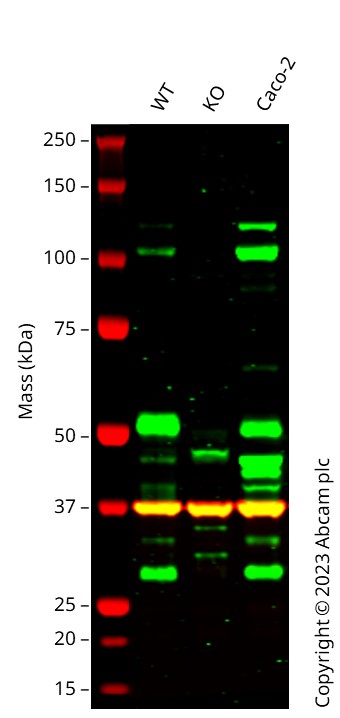
- 4
- 4
Primary Antibodies
AB233766
Anti-E Cadherin antibody [4A2] - BSA and Azide free
BOND RX™ Validated|KO Validated
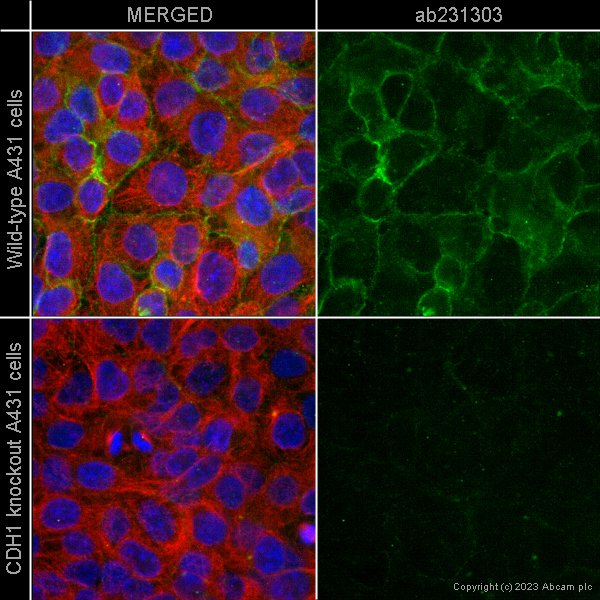
- 5
- 1
Primary Antibodies
AB227639
Anti-E Cadherin antibody [SP64]
BOND RX™ Validated|KO Validated|RabMAb|Recombinant|Lab Essentials|20ul selling size
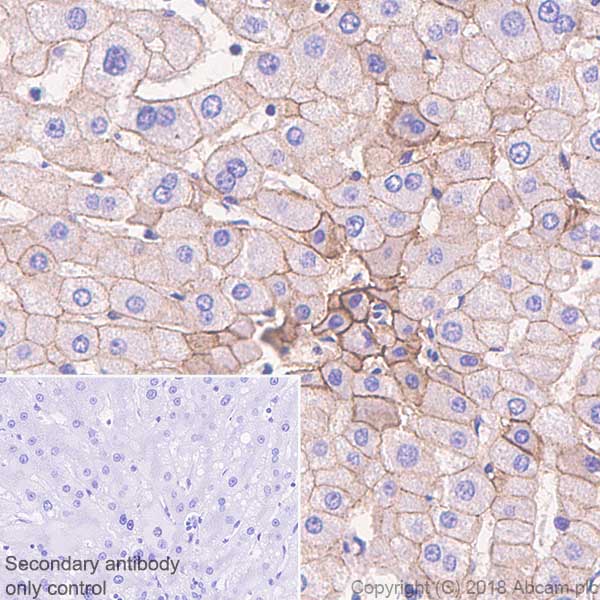
- 0
- 0
Primary Antibodies
AB15148
Anti-E Cadherin antibody - Intercellular Junction Marker
Lab Essentials
- 4
- 14
Primary Antibodies
AB181296
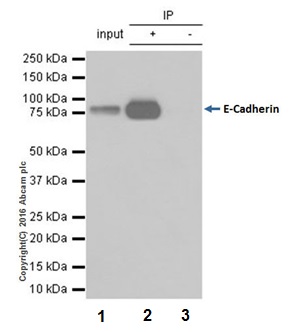
Anti-E Cadherin antibody [EPR16845-108]
RabMAb|Recombinant|Lab Essentials|20ul selling size|Trial Size
- 0
- 0
Primary Antibodies
AB212059
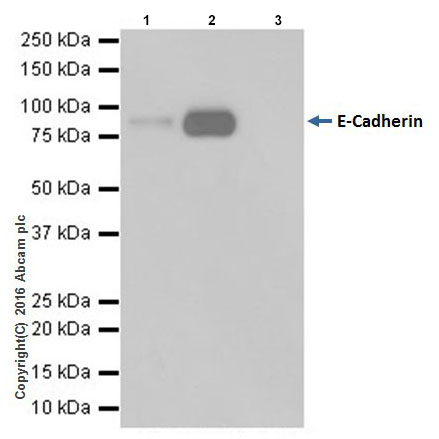
Anti-E Cadherin antibody [EPR16845-34]
RabMAb|Recombinant|Lab Essentials|20ul selling size
- 0
- 0
Primary Antibodies
AB76319
Anti-E Cadherin (phospho S838 + S840) antibody [EP913(2)Y]
BOND RX™ Validated|RabMAb|Recombinant|Lab Essentials|20ul selling size

- 5
- 2
Primary Antibodies
AB232217
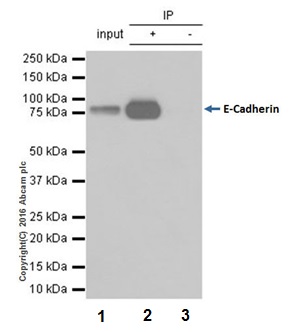
Anti-E Cadherin antibody [EPR16845-108] - BSA and Azide free
RabMAb|Recombinant
- 0
- 0
搭配使用产品
Primary Antibodies
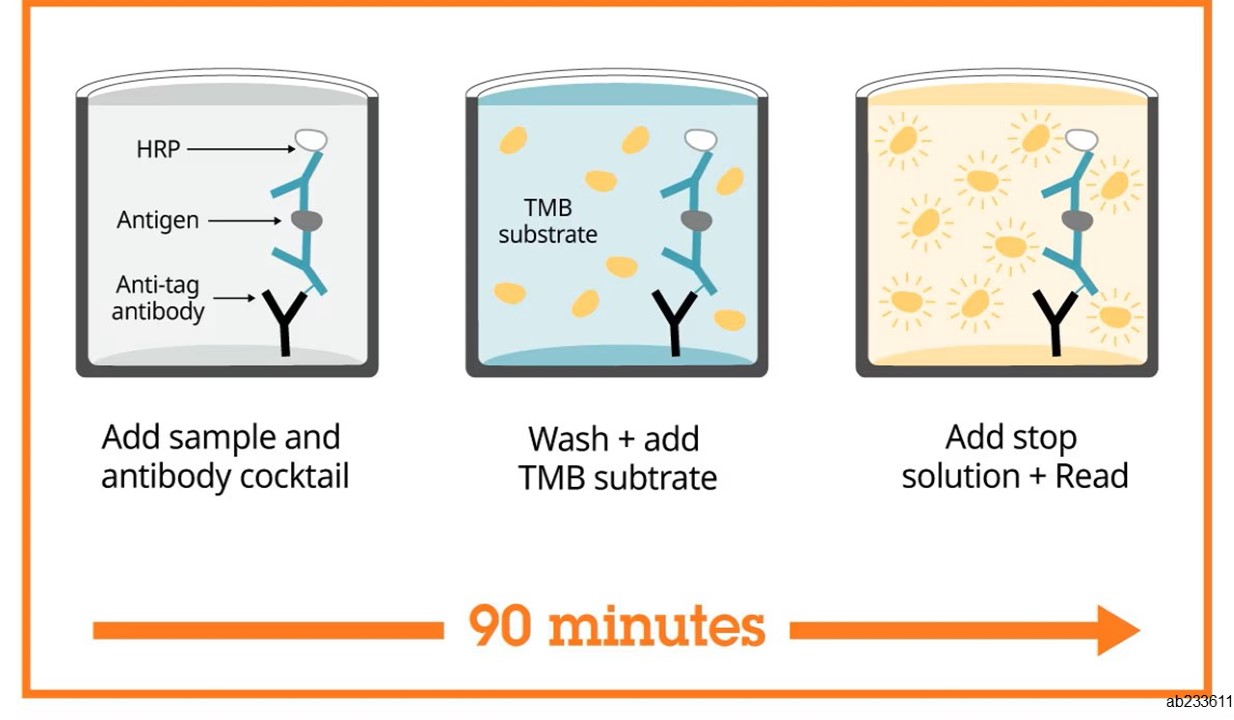
AB274896
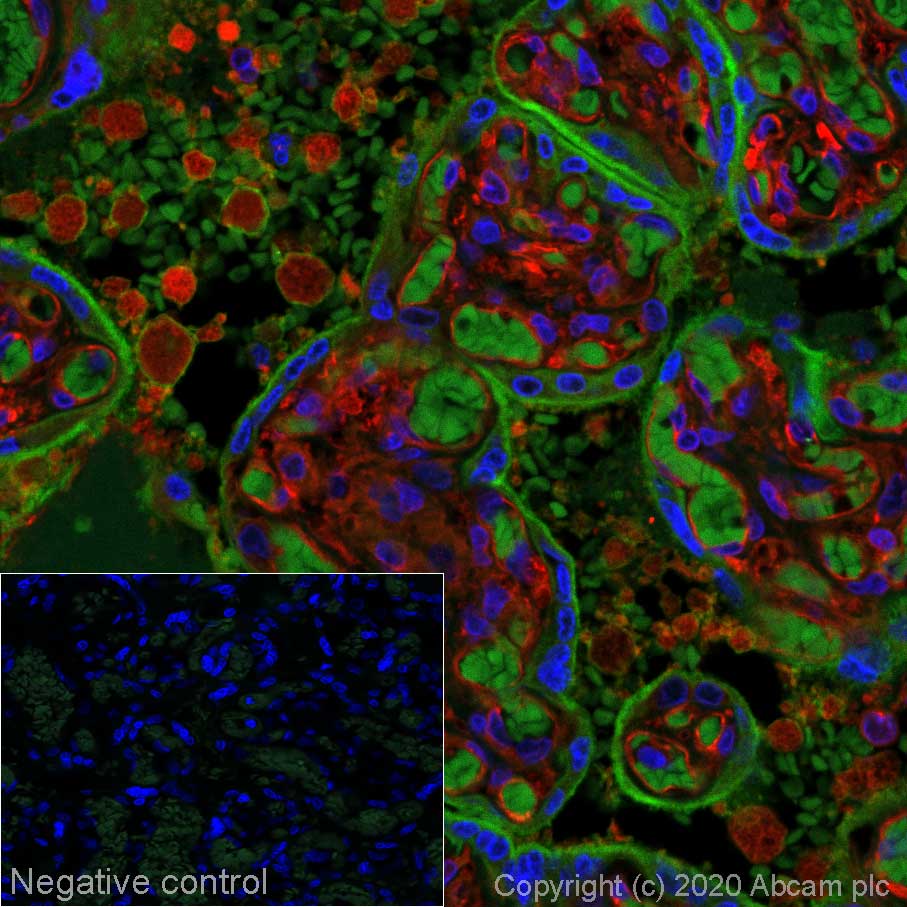
Alexa Fluor® 555 Anti-PD-L1 antibody [73-10]
BOND RX™ Validated|RabMAb|Recombinant|Trial Size
- 4
- 1
Primary Antibodies
AB198367
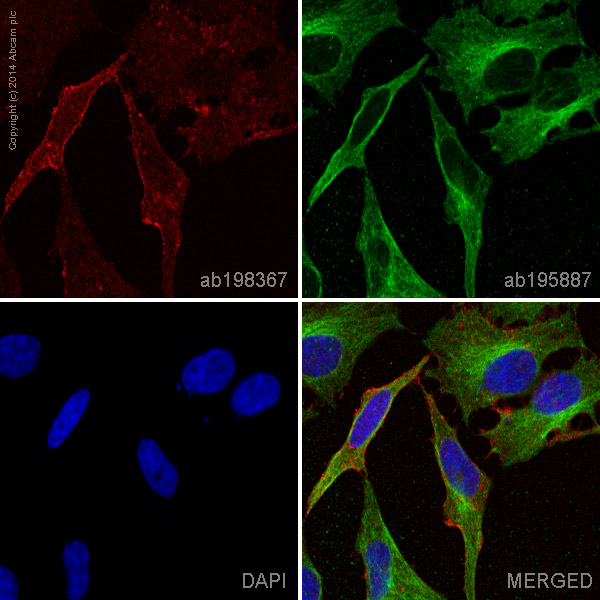
Alexa Fluor® 647 Anti-Sodium Potassium ATPase antibody [EP1845Y] - Plasma Membrane Marker
RabMAb|Recombinant
- 5
- 3
Primary Antibodies
AB309502
Alexa Fluor® 488 Anti-Collagen IV antibody [EPR22911-127]
BOND RX™ Validated|RabMAb|Recombinant
- 5
- 1
Primary Antibodies
AB222914
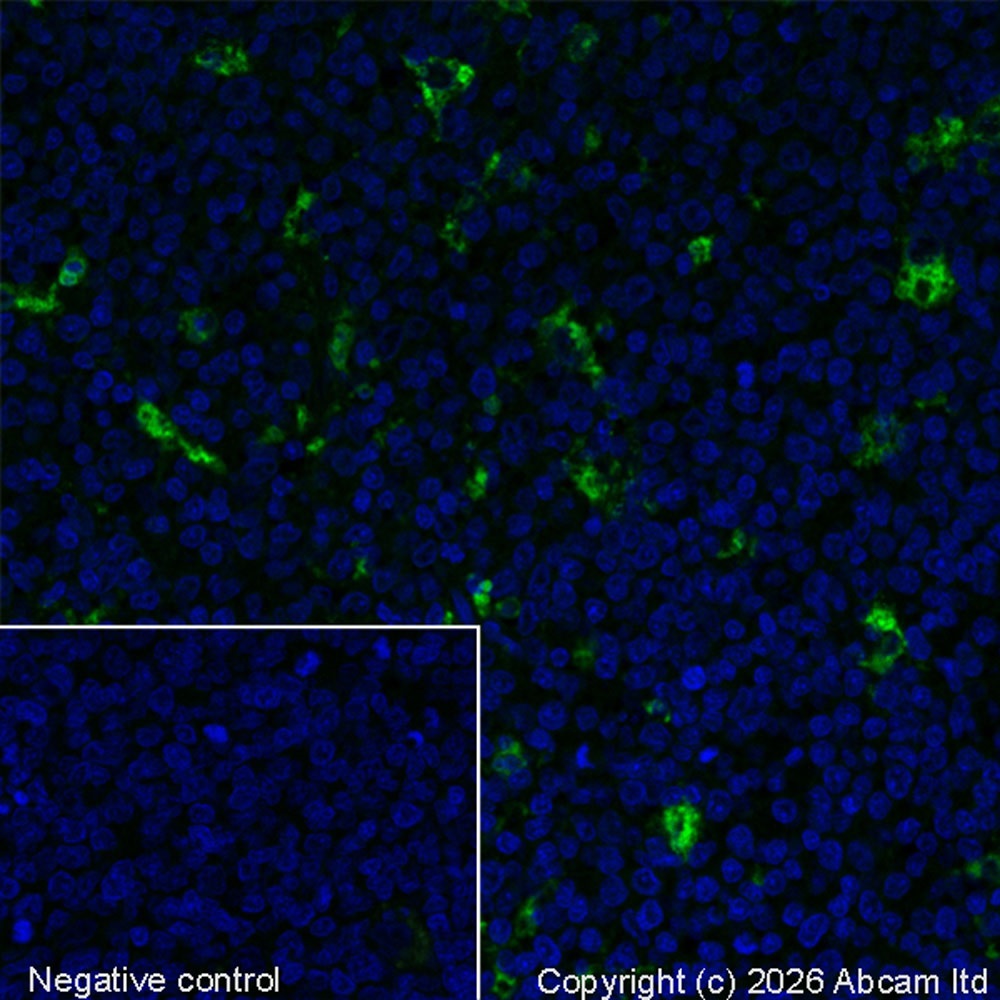
Alexa Fluor® 488 Anti-CD68 antibody [KP1]
Recombinant|Advanced Validation
- 4
- 2
反应性数据
产品详情
Patented technology
Our RabMAb® technology is a patented hybridoma-based technology for making rabbit monoclonal antibodies. For details on our patents, please refer to RabMAb® patents.
Alexa Fluor® is a registered trademark of Molecular Probes, Inc, a Thermo Fisher Scientific Company. The Alexa Fluor® dye included in this product is provided under an intellectual property license from Life Technologies Corporation. As this product contains the Alexa Fluor® dye, the purchase of this product conveys to the buyer the non-transferable right to use the purchased product and components of the product only in research conducted by the buyer (whether the buyer is an academic or for-profit entity). As this product contains the Alexa Fluor® dye the sale of this product is expressly conditioned on the buyer not using the product or its components, or any materials made using the product or its components, in any activity to generate revenue, which may include, but is not limited to use of the product or its components: in manufacturing; (ii) to provide a service, information, or data in return for payment (iii) for therapeutic, diagnostic or prophylactic purposes; or (iv) for resale, regardless of whether they are sold for use in research. For information on purchasing a license to this product for purposes other than research, contact Life Technologies Corporation, 5781 Van Allen Way, Carlsbad, CA 92008 USA or outlicensing@thermofisher.com.
性能和储存信息
形式
纯化工艺
存储溶液
运输条件
推荐的短期储存时间
推荐的短期储存条件
推荐的长期储存条件
分装信息
储存信息
补充信息
This supplementary information is collated from multiple sources and compiled automatically.
Biological function summary
E-Cadherin participates in establishing and maintaining adherens junctions which are vital for tissue structure. E-Cadherin operates as a core component of the cadherin-catenin complex which links the protein to the actin cytoskeleton. Through this linkage E-Cadherin plays an important role in signaling pathways that influence cellular growth and differentiation. The protein's ability to mediate intercellular connections also regulates cellular motility and supports basic aspects of cell behavior in epithelial tissues.
Pathways
E-Cadherin influences both the Wnt signaling pathway and the epithelial-to-mesenchymal transition (EMT). Within the Wnt signaling pathway E-Cadherin partners with β-catenin a significant player in transcription regulation and cell signaling. Disruption in E-Cadherin's adhesive functionality can lead to increased β-catenin availability affecting downstream transcriptional control. In the EMT process E-Cadherin loss characterizes an important step in which cells gain migratory and invasive properties typically seen during metastasis in cancer progression.
产品实验方案
- Visit the General protocols
- Visit the Troubleshooting
靶点信息
文献 (2)
Recent publications for all applications. Explore the full list and refine your search
Theranostics 10:11026-11048 PubMed33042268
2020
Applications
Unspecified application
Species
Unspecified reactive species
EBioMedicine 46:133-149 PubMed31375425
2019
Applications
Unspecified application
Species
Unspecified reactive species
Abcam Product Promise
Please note: All products are 'FOR RESEARCH USE ONLY. NOT FOR USE IN DIAGNOSTIC OR THERAPEUTIC PROCEDURES'.
For licensing inquiries, please contact partnerships@abcam.com