重组Anti-14-3-3 Theta + Tau抗体[EPR20720-227] - BSA and Azide free (Detector)
Anti-14-3-3 Theta + Tau antibody [EPR20720-227] - BSA and Azide free (Detector)
- RabMAb
- Recombinant
- 了解详情
Be the first to review this product! Submit a review
|
(0 Publication)
Rabbit Recombinant Monoclonal 14-3-3 Theta + Tau antibody. Carrier free. Suitable for sELISA and reacts with Human samples.
查看别名
14-3-3 protein theta, 14-3-3 protein T-cell, 14-3-3 protein tau, Protein HS1, YWHAQ

- sELISA
Supplier Data
Sandwich ELISA - Anti-14-3-3 Theta + Tau antibody [EPR20720-227] - BSA and Azide free (Detector) (AB252649)
Representative standard curve from corresponding SimpleStep ELISA® Kit (ab246543).
不同偶联物与剂型 (1)
-
Biotin Anti-14-3-3 Theta + Tau antibody [EPR20720-227] (Detector)
搭配使用产品

Sample Prep & Detection Kits
AB270705
5’ Feature Barcode Antibody Conjugation Kit - Lightning-Link® - Oligos 11-20

- 0
- 0
Primary Antibodies
AB285058
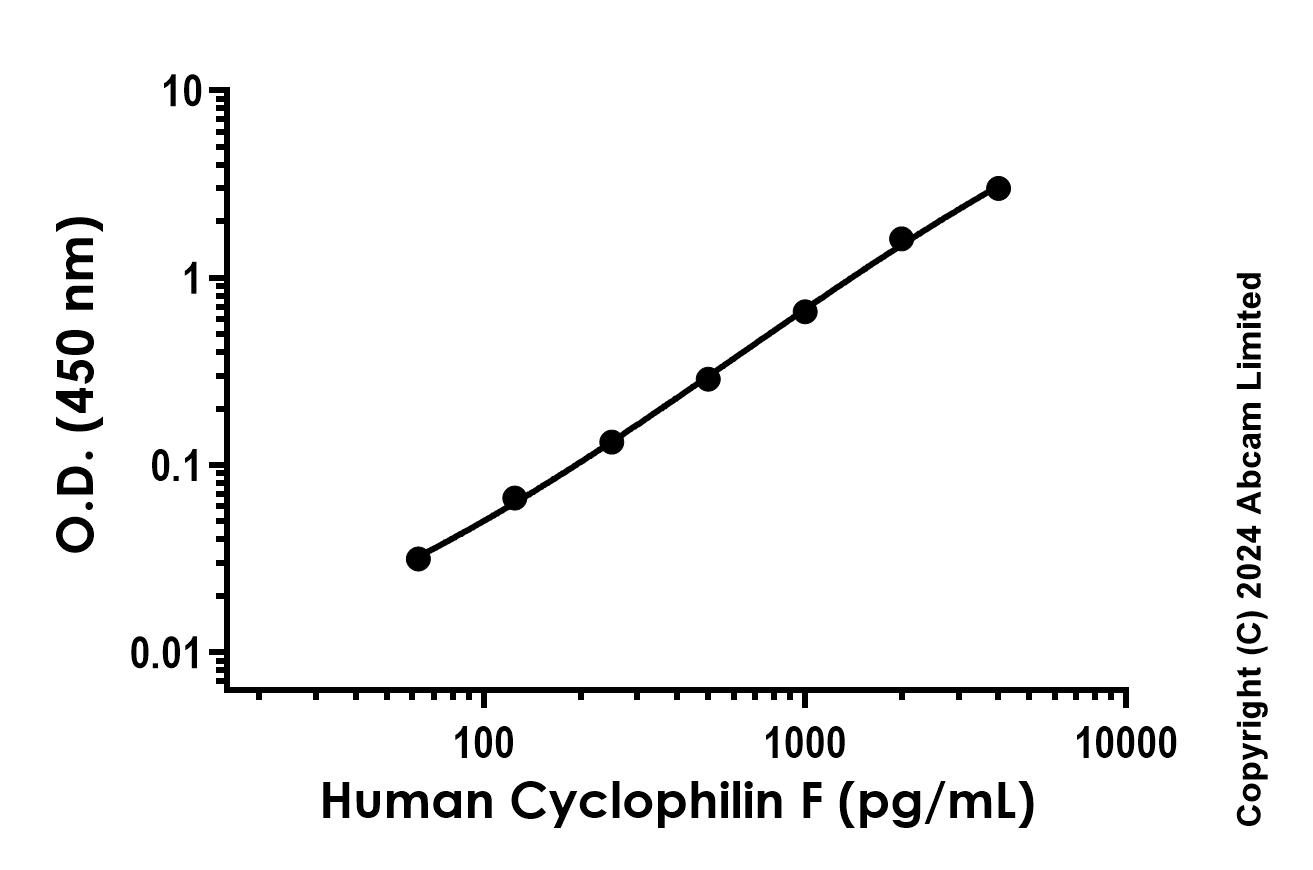
Anti-Cyclophilin F antibody [EPR24492-160] - BSA and Azide free (Detector)
RabMAb|Recombinant
- 0
- 0
Primary Antibodies
AB273562
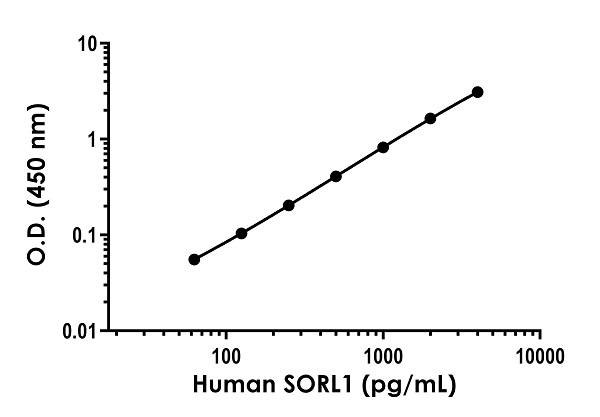
Anti-SORL1 antibody [EPR23262-73] - BSA and Azide free (Capture)
RabMAb|Recombinant
- 0
- 0
Primary Antibodies
AB278316
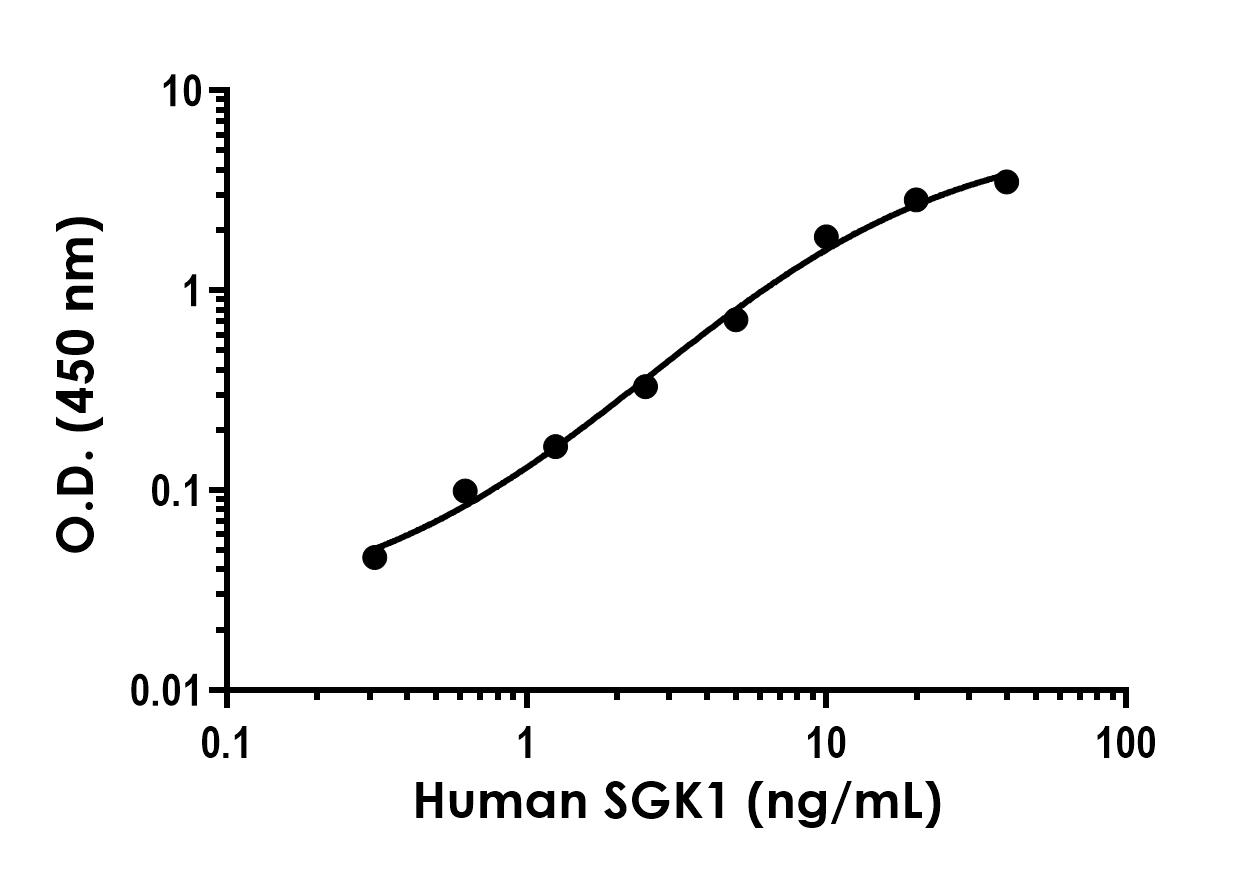
Anti-SGK1 antibody [EPR23300-83] - BSA and Azide free (Detector)
RabMAb|Recombinant
- 0
- 0
Primary Antibodies
AB244999
Anti-Sorbitol Dehydrogenase antibody [EPR20780-169] - BSA and Azide free (Detector)
RabMAb|Recombinant
- 0
- 0
反应性数据
产品详情
ab252649 is a BSA and Azide Free antibody supplied in an unconjugated format and it is suitable for sandwich ELISAs to quantify Human 14-3-3 theta + tau. The recommended pair for sandwich ELISA is:
Capture: ab252590, Human 14-3-3 tau Capture Antibody (unconjugated)
Detector: ab252649, Human 14-3-3 tau Detector Antibody (unconjugated)
The reference range value is 23.4 - 1500 pg/ml.
Patented technology
Our RabMAb® technology is a patented hybridoma-based technology for making rabbit monoclonal antibodies. For details on our patents, please refer to RabMAb® patents.
What are the advantages of a recombinant monoclonal antibody?
This product is a recombinant monoclonal antibody, which offers several advantages including:
- - High batch-to-batch consistency and reproducibility
- - Improved sensitivity and specificity
- - Long-term security of supply
- - Animal-free batch production
For more information, read more on recombinant antibodies.
Conjugation ready
Our carrier-free antibodies are typically supplied in a PBS-only formulation, purified and free of BSA, sodium azide and glycerol. This conjugation-ready format is designed for use with fluorochromes, metal isotopes, oligonucleotides, and enzymes, which makes them ideal for antibody labelling, functional and cell-based assays, flow-based assays (e.g. mass cytometry) and Multiplex Imaging applications.
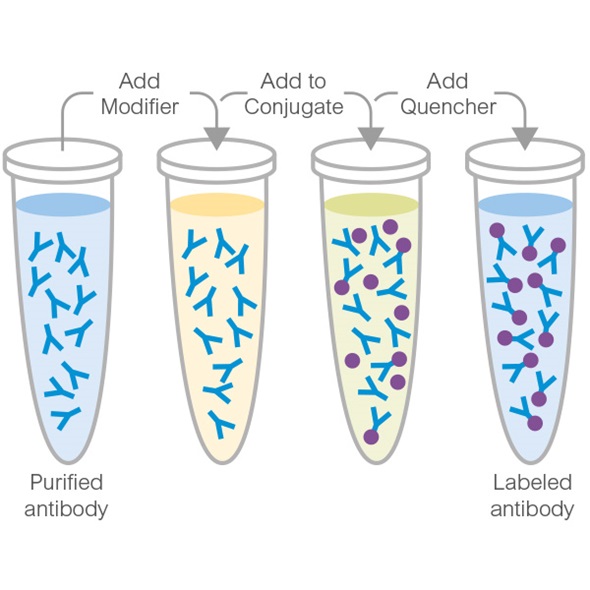
Use our conjugation kits for antibody conjugates that are ready-to-use in as little as 20 minutes with 1 minute hands-on-time and 100% antibody recovery: available for fluorescent dyes, HRP, biotin and gold.
Sandwich ELISA
The recommended antibody orientation is based on internal optimization for ELISA-based assays. Antibody orientation is assay dependent and needs to be optimized for each assay type. Please note that the range provided for this antibody is only an estimation based on the performance of the product using the recommended antibody pair. Performance of the antibody pair will depend on the specific characteristics of your assay. We guarantee the product works in sandwich ELISA, but we do not guarantee the sensitivity or dynamic range of the antibody in your assay.
性能和储存信息
形式
纯化工艺
存储溶液
运输条件
推荐的短期储存条件
推荐的长期储存条件
补充信息
This supplementary information is collated from multiple sources and compiled automatically.
Biological function summary
14-3-3 Theta plays a significant role in cell cycle regulation apoptosis and brain development. It often forms part of larger protein complexes acting as a bridge to facilitate interactions between different proteins. The protein aids in maintaining cellular homeostasis and mediates various signal transduction processes by changing the conformation of its binding partners which influences their activity.
Pathways
14-3-3 Theta is actively involved in the MAPK/ERK and PI3K/AKT pathways which are critical for cell proliferation differentiation and survival. Through these pathways the protein interacts with a variety of partners including thr-308-phosphorylated Akt and Raf kinases. 14-3-3 Theta's ability to bind different phosphorylated targets enables it to influence diverse cellular processes within these pathways.
产品实验方案
- Visit the General protocols
- Visit the Troubleshooting
靶点信息
Abcam Product Promise
Please note: All products are 'FOR RESEARCH USE ONLY. NOT FOR USE IN DIAGNOSTIC OR THERAPEUTIC PROCEDURES'.
For licensing inquiries, please contact partnerships@abcam.com