AP-18,TRPA1 receptor拮抗剂
AP-18, TRPA1 receptor antagonist
Be the first to review this product! Submit a review
|
(1 Publication)
MW 209.67 Da, Purity >98%. Reversible TRPA1 receptor antagonist (IC50 = 3.1 μM). Anti-inflammatory agent. Active in vivo and in vitro.
查看别名
ANKTM 1, Ankyrin-like with transmembrane domains protein 1, TRPA1_HUMAN, Transformation-sensitive protein p120, Transient receptor potential cation channel subfamily A member 1
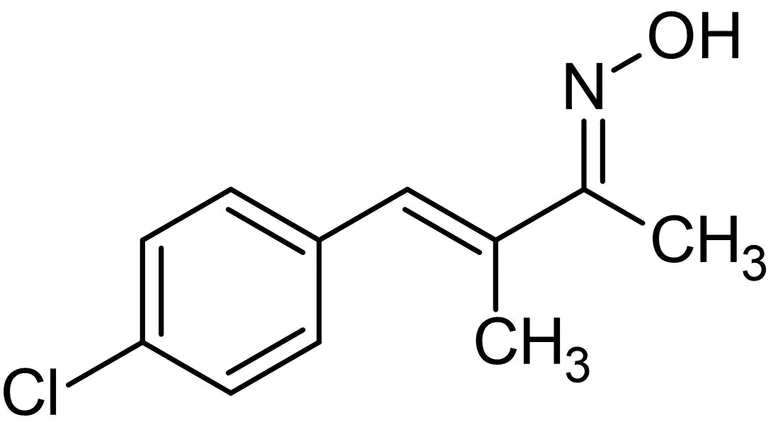
- Chemical Structure
Lab
Chemical Structure - AP-18, TRPA1 receptor antagonist (AB144587)
2D chemical structure image of ab144587, AP-18, TRPA1 receptor antagonist
搭配使用产品
Biochemicals
AB120507
(R)-(+)-8-Hydroxy-DPAT hydrobromide (8-Hydroxy DPAT), 5-HT1A receptor agonist
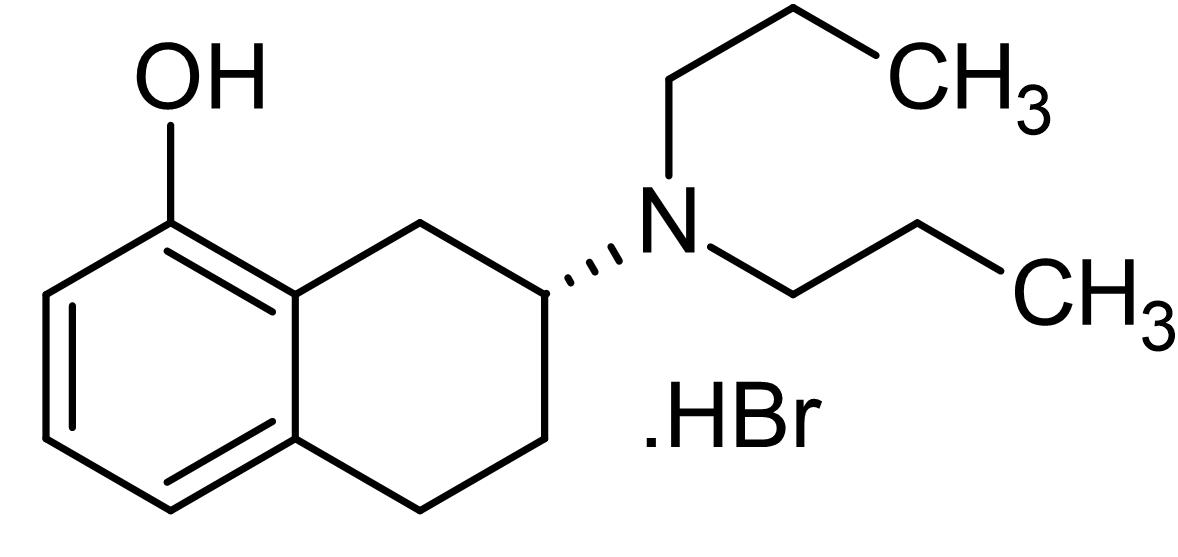
- 0
- 0

性能和储存信息
运输条件
推荐的短期储存条件
推荐的长期储存条件
储存信息
Need more advice on solubility, usage and handling? Please visit our our product support page for more details.
|
Wherever possible, you should prepare and use solutions on the same day. However, if you need to make up stock solutions in advance, we recommend that you store the solution as aliquots in tightly sealed vials at -20°C. Generally, these will be useable for up to one month. Before use, and prior to opening the vial we recommend that you allow your product to equilibrate to room temperature for at least 1 hour.
|
Refer to SDS for further information.
补充信息
This supplementary information is collated from multiple sources and compiled automatically.
Biological function summary
TRPA1 contributes significantly to the sensation of pain and irritation. Functioning as a part of a receptor complex on the cellular membrane it integrates environmental stimuli to trigger responses such as pain and inflammation. TRPA1 interacts with various ligands which can modulate its activity leading to the perception of noxious cold and harsh chemical conditions. Recent studies also revealed its involvement in bronchial conditions implicating compounds like eucalyptol and related derivatives in modulating its effects.
Pathways
TRPA1 interacts with several critical sensory pathways involved in pain and thermosensation. It is an important player within the neurogenic inflammation pathway and the nociceptive pathway. In these pathways TRPA1 often acts together with related proteins like TRPV1 further modulating the response to heat and capsaicin. These interactions suggest a complex interplay between different TRP channels influencing how organisms react to different harmful stimuli.
文献 (1)
Recent publications for all applications. Explore the full list and refine your search
Frontiers in physiology 11:576209 PubMed33192579
2020
Applications
Unspecified application
Species
Unspecified reactive species
Abcam Product Promise
Please note: All products are 'FOR RESEARCH USE ONLY. NOT FOR USE IN DIAGNOSTIC OR THERAPEUTIC PROCEDURES'.
For licensing inquiries, please contact partnerships@abcam.com